How to Make Money in Farming Simulator 25
Contracts, collectibles, greenhouses, productions, logging, and crop choices that actually pay.
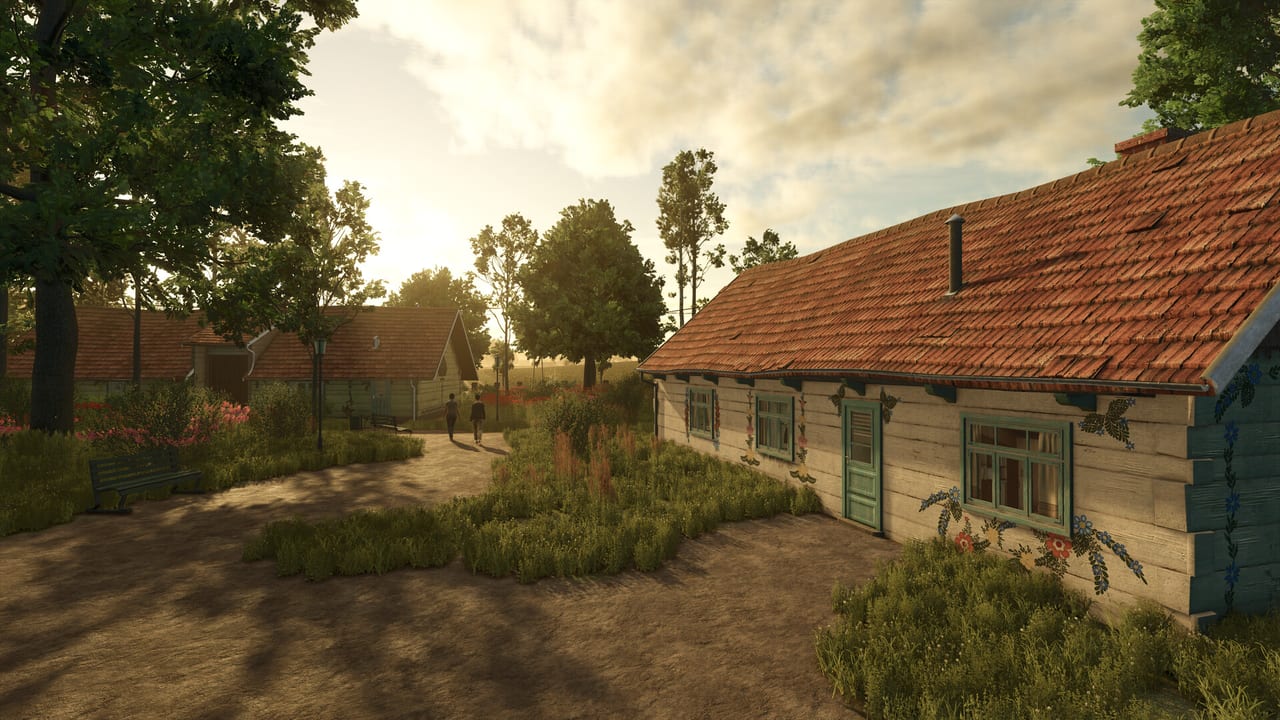
Cash flow decides whether Farming Simulator 25 feels relaxing or stressful. This guide ranks early and mid-game money methods that work on the base maps—especially Riverbend Springs—without relying on cheats or unrealistic save edits. Pair it with Getting Started if you still need shop and timescale basics, and graduate into Production Chains once silos overflow.
Farming Simulator 25 by GIANTS Software (released 12 November 2024) pays you for field work, animal products, forestry, productions, and a few one-time windfalls. The best farms stack several of those lanes so a slow crop month does not empty the account.
Contracts: the fastest early cash
Open the contracts menu from day one. Neighboring farms post fertilizing, cultivating, sowing, harvesting, and transport jobs. You can use your own equipment or lease the mission kit for a fee shown on the contract screen.
How to work contracts efficiently:
- Sort by distance and equipment you already own.
- Prefer jobs next to your farm so travel time does not eat the payout.
- Lease only when the net payout still looks healthy after the lease fee.
- Take harvesting contracts when you already own a compatible header—margins jump.
- Watch for forestry transport contracts when you want logging practice without buying a forest yet.
Contracts teach hitching, dumping, and map navigation while funding seed and fertilizer. They are also how you test machines before buying. If the contract list feels noisy on PC, consider quality-of-life mods covered in Mods Guide such as Better Contracts—after your save is stable.
Riverbend Springs collectibles ($10,000 each)
On Riverbend Springs, 25 historical objects feed the Grain Elevator Museum restoration. Each collectible pays $10,000, so the full set is $250,000 plus an achievement. Walk near an object until the collect prompt appears (commonly R on PC).
Treat collectibles as a first-week treasure hunt between field jobs. They are one-time cash, not a business—but $250k buys a greenhouse setup, a mixer wagon, or a serious tractor upgrade without a loan. Other maps have their own collectible sets; Riverbend is the one most beginners finish first.
Do not expect collectibles to replace farming forever. Spend them on productive assets: water access for greenhouses, a tipper fleet, or feed equipment for the animal loop in Animals and TMR.
Greenhouses: steady passive income
Greenhouses shine once you can supply water. Place a tarp or glass greenhouse from the build menu, connect water via tank, tower, or nearby water source, then choose a crop such as lettuce, tomatoes, or other greenhouse produce available in your build options.
Why beginners like them:
- Output continues while you run contracts or sleep through growth.
- Water from map sources keeps operating costs low compared with field diesel loops.
- You can set production to sell directly or store for processing chains later.
A large tarp greenhouse growing a high-turnover crop is a common early goal once you have roughly the shop price saved and a water plan. Exact monthly profit depends on difficulty, selling point, and whether you process further (for example into a canning or kimchi-style chain later). Start with one greenhouse, confirm the logistics, then duplicate what works.
Production chains multiply value
Raw wheat pays; flour and bread pay more when you own or supply the right productions. Riverbend Springs includes bakeries, oil mills, sawmills, canning, carpentry, and more sell points such as grain barge terminals, Big Moo’s Dairy, and the farmers market.
Practical production advice:
- Feed productions you can supply with your own harvest or cheap contracts.
- Keep transport short—long hauls erase processing margins.
- Unlock one chain at a time (grain → mill → bakery) instead of buying every factory.
- Use the production menu to switch between storing, distributing, and selling outputs.
Productions pair naturally with Forestry Guide (sawmill boards and beams) and with animal barns (dairy and meat inputs). They are mid-game multipliers, not day-one purchases.
Early logging for cash outside the crop calendar
Trees do not wait on planting months the same way wheat does. A chainsaw, a cheap winch, and a way to haul logs let you clear owned woodland or purchased forest parcels and sell wood or feed a small sawmill. Mulchers clear stumps so the land becomes usable again.
Logging is excellent bridge money while seasonal crops grow, especially if seasons are enabled. Lease heavy harvesters until you know you enjoy the loop; buy the chainsaw and winch early because they are inexpensive compared with combines. Full equipment breakdowns are in the forestry guide.
Crop choice: plant what the market and calendar allow
Not every hectare should be wheat forever. Check the Prices screen for peaks and the crop calendar if seasonal growth is on. Broad early-game notes:
- Wheat / barley / canola — solid starter grains with familiar equipment.
- Soybeans and specialty crops — higher price potential, more timing sensitivity.
- Rice / long grain rice — excellent on Hutan Pantai with paddies and pumps; see Crops and Calendar.
- Spinach, peas, green beans — newer FS25 crops that need the right planters and harvest windows.
- Grass — cheap to establish and fuels hay, silage, and animal productivity.
Always factor fertilizer, lime, and weed control into profit. A “expensive” crop on fully prepared soil often beats a cheap crop on neglected ground.
A simple money roadmap
- Contracts + collectibles for immediate cash (Getting Started checklist).
- Fix soil and run one reliable grain or canola cycle.
- Add a watered greenhouse for monthly baseline income.
- Use logging or a small sawmill as a parallel lane.
- Build one production chain you can actually feed.
- Expand animals only with a TMR plan for full dairy output.
- Reinvest into land that shortens transport to your best sell points.
Avoid the trap of buying every field adjacent to your farm on credit. Empty fields without machines or workers create debt. Expand when the previous hectare is already profitable.
Difficulty and loans
Higher economic difficulty lowers payouts and raises costs—plan greenerhouses and contracts with more margin. Loans are available, but interest turns a bad purchase into a long headache. Prefer lease-for-contract and collectible windfalls over debt until you can read the monthly balance without guessing.
When cash is stable, deepen systems with animals, precision soil work, and carefully version-matched mods. Money is the enabler; the Guides Hub is the map for what to unlock next.
Frequently Asked Questions
Quick answers to the most common FarmSim questions.
What is the fastest way to make money early in FS25?
Take nearby contracts (lease equipment if needed) and collect Riverbend Springs museum items for $10,000 each while your first fields grow.
Are greenhouses worth it in Farming Simulator 25?
Yes once you can supply water cheaply. They provide steady income between harvests and can feed later production chains.
Should I sell crops raw or process them?
Sell raw until you own a production you can keep supplied. Processing pays more only if transport and factory uptime stay efficient.
Is logging good money for beginners?
Yes as a side lane. A chainsaw, winch, and trailer or small sawmill generate cash without waiting on crop months; lease big harvesters until you commit.
Which crops make the most money?
It depends on prices, seasons, and soil prep. Check the Prices screen and calendar; prepared soybeans, canola, or rice on suitable maps often beat neglected wheat.