Forestry and Logging in Farming Simulator 25
Chainsaws, harvesters, mulchers, winches, sawmills, and how to sell wood for profit.
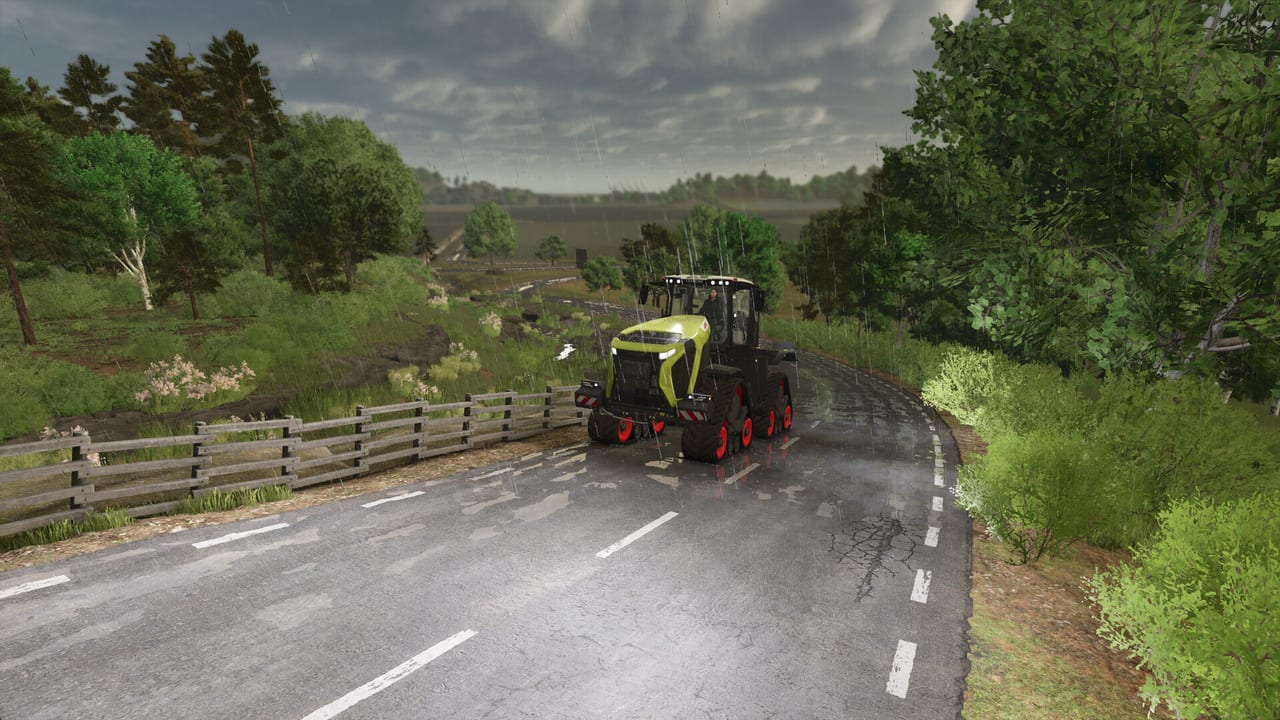
Forestry is Farming Simulator 25’s best answer to “I need money before the wheat is ready.” This guide shows how to start a logging farm with affordable tools—chainsaws, winches, mulchers—then scale into harvesters, trailers, and a sawmill. Sell wood raw or process it into planks and beams that feed construction and production chains. Pair the income ideas with How to Make Money and keep soil crops growing via Crops and Calendar.
Logging works on all base maps (Riverbend Springs, Hutan Pantai, Zielonka). Buy wooded farmland, clear owned trees, or plant your own saplings if you want a renewable grove.
Why start forestry early
- Wood income is not locked to the same planting months as cereals when seasons are on.
- Starter tools are cheap compared with a second combine.
- A small sawmill turns logs into higher-value products.
- Cleared land can become new fields later—mulch stumps and reclaim hectares.
Lease heavy harvesters until you know you enjoy the loop. Buy the low-cost kit immediately.
Starter kit: chainsaw, winch, and a way to haul
Chainsaws
Buy a chainsaw from the hand tools category in the shop (P). Equip it (commonly key 2 on PC) and approach a tree. Hold the aim control to set cutting angle—wait for the positive/green cut indicator—then fell the tree. Many deciduous trees and some conifers are chainsaw work; large commercial softwoods may want a harvester instead.
After felling, you can buck trunks into shorter logs for easier loading or chipping. Short logs fit small trailers and winch pulls through tight yard gates.
Winches
A basic forestry winch (often only a few thousand in the shop) bolts to a tractor and lets you drag trunks to a roadside or sawmill. Exit the tractor, take the cable, attach it to the log, then spool from the cab. Use winches when machines cannot squeeze between trees.
Yarders are the advanced cable systems for uphill or long pulls. Skip them until a hillside contract or dense forest forces the issue; the cheap winch teaches the skill.
Hauling
You need either:
- A log trailer with crane, or
- A front-loader / telehandler with a log fork, or
- Winch-dragging short distances to a production dump point.
Configure trailers with the crane option when the shop offers it. Overloaded or oversized trunks will not navigate sharp farmyard corners—buck them shorter.
Harvesters when you scale up
Self-propelled tree harvesters (John Deere, Komatsu, Impex, and similar shop entries) cut, delimb, and process compatible trees much faster than a handsaw. Check each machine’s maximum diameter—small heads choke on giant trunks.
Harvesters cost hundreds of thousands. Use them when:
- You own large softwood stands,
- Forestry contracts pay for leased time,
- Or your sawmill is starving for throughput.
Until then, chainsaw + winch + trailer remains a valid business. Excavators with woodcracker or processor heads are another mid-tier path if you already own an excavator for construction.
Mulchers and stump cutters
Every trunk leaves a stump. Drive a forestry mulcher or stump cutter over it to clear the ground. Without mulching, you cannot reclaim clean fields or tidy plantation rows.
Mulchers need serious horsepower—match tractor HP to the tool or the engine will bog. After a clear-cut, mulch, then cultivate if you plan to farm the land. That is how logging feeds back into crop expansion.
Planting trees for a renewable loop
Tree planters let you establish plantations. Saplings take a long time (well over a year of in-game growth) compared with wheat, so treat plantations as long-term capital. Plant on land you will not need for next season’s canola. Mix species thoughtfully: some trees are chainsaw-oriented, others harvester-oriented, and deciduous stands often head toward woodchip workflows.
Sawmills and sell points
Place a sawmill from the productions/build menu when you can feed it regularly. Deliver logs to the input, then use the production UI to store, distribute, or sell outputs such as planks, boards, and beams. Those products sell for more than raw wood and supply construction projects or other factories (carpentry, paper-adjacent chains on some maps, and buildable missions).
If you do not own a sawmill yet:
- Sell logs at map wood sell points,
- Deliver to an existing sawmill business on the map,
- Or take forestry contracts that pay for cutting and transport without ownership.
Riverbend Springs and the other base maps include forestry-relevant productions and sell points—open the prices and productions overview before you drive across the entire map guessing.
Woodchippers add another outlet: turn low-value or awkward pieces into chips for biomass-style selling. Useful for tops and limbs after a chainsaw session.
A practical logging session plan
- Mark the stand and plan an extraction route to a road.
- Fell with chainsaw or harvester; buck to transport length.
- Winch out of tight spots to the landing.
- Load the trailer; strap loads if the vehicle requires it.
- Tip into your sawmill or sell point.
- Mulch stumps before you forget where they are.
- Reinvest profits into a better trailer crane or a second tractor—not a million-dollar harvester on day two.
Safety tips that save reloads
- Fell trees away from machines, fences, and power lines when you can aim the cut.
- Do not stand under a partially cut tree.
- Keep diesel topped up; winching and mulching drink fuel.
- Watch total trailer weight on hills.
- On PC, wait before stacking forestry script mods—see Mods Guide for version matching.
How forestry fits the wider farm
Use logging cash to fund greenhouses, mixer wagons for Animals and TMR, or lime and fertilizer stock for crops. Sawmill beams also support buildable projects on maps that ask for construction materials. Forestry is not a replacement for fields; it is the flexible income lane that keeps the farm moving when the calendar says wait.
When you are ready for the next system, return to the Guides Hub or refine soil prep so newly cleared hectares become profitable farmland instead of empty stumps.
Frequently Asked Questions
Quick answers to the most common FarmSim questions.
What is the cheapest way to start forestry in FS25?
Buy a chainsaw and a basic winch, use a tractor you already own, and haul short logs on a simple trailer or by dragging them to a nearby sell point or sawmill.
Do I need a harvester to make money from wood?
No. Harvesters speed up large softwood jobs, but chainsaw logging plus a winch is enough for early profits and learning.
What do mulchers do?
They grind out stumps after felling so you can reclaim land for fields or neat plantations. Match tractor horsepower to the mulcher.
Should I sell logs or use a sawmill?
Sell logs until you can keep a sawmill fed. Processing into planks and beams usually pays more when transport stays short.
Can I plant my own forest?
Yes. Use a tree planter and saplings, then wait through the long growth period. Plantations are a long-term investment compared with annual crops.